
Lancaster Previous Residents by Era
Previous residents of a Lancaster address are not held in one master file. The strongest backward trail joins a current parcel and legal description to the Recorder's instruments, then adds dated directory and census evidence for the household layer. Fairfield County's online systems have different historical boundaries, so a blank portal result is a prompt to change the source and era, not proof that the address or person did not exist. This coverage table separates recorded ownership, reported household context, and building or estate evidence.
| Source | Years It Covers | Where Held | What It Shows |
|---|---|---|---|
| Recorder historic grantor and grantee indexes | 1800 to 1970 books; 1971 to 1979 indexes; January 1980 forward documents online | Fairfield County Recorder and AVA | Recorded instruments, parties, Book/Page links, and legal-description trail |
| FCC-OGS deed-material lead | 1803 to 1899 | Fairfield County Chapter OGS | Historic deed images and indexes as a pre-digital bridge |
| Lancaster directory evidence | Selected documented editions from 1938 to 2013; 1990 title point | Collection and catalogue confirmation required | Dated reported address, household, occupation, or business context |
| Federal population census | 1790 to 1950 public schedules | National Archives and library research channels | Dated household snapshots, subject to each census form and address detail |
| Library of Congress Sanborn map | December 1910 | Online public-domain map set | Block, footprint, and street-layout context, not people |
| Fairfield Probate historic archive | Approximately 1803 to 1995 | Probate archive and court channels | Estate, will, guardianship, marriage, and related historical case leads |
Start with the Auditor and Recorder for a title question. Start with directory and census dates when the question is who occupied the address at a particular time. Use Probate, obituaries, cemetery material, and newspapers to test an endpoint. Nineteenth-century Recorder documents remain a counter, microfilm, or historical-repository task even though the modern search is useful for later instruments.
The manifest captured the Fairfield County Clerk legal-departments page, which explains the separate online and earlier-record boundaries.
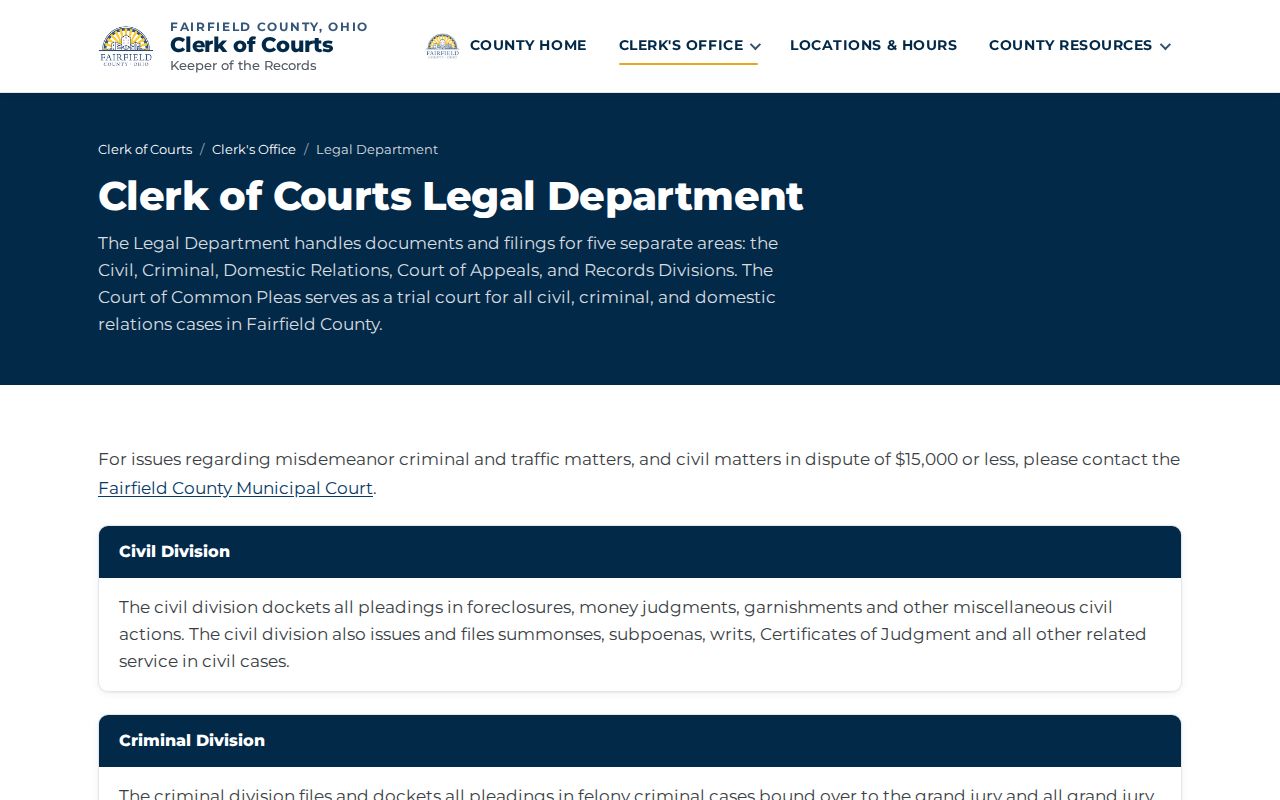
The Clerk's boundary is a reminder to move to the right office when an older court or land lead predates the delivery system shown online.
Lancaster Address Before Street Numbers
Begin with the Fairfield County Auditor real-estate search, using the address components or parcel number. Save the PIN or PARID, assessed owner, situs address, legal-description fields, sale information, and any Book/Page or instrument lead. The parcel record identifies the tax and property record for the site. It does not establish every person who lived there, and a tax mailing address can point to a post-office box, agent, business, or another address.
The county's ParcelBoundaries GIS service makes the distinction visible. Its fields separate physical location such as PADDR1, mailing information such as MADDR1 through MADDR3 and MZIP1, owner fields, legal-description fields, and transfer references. Carry the legal description forward, because older Recorder material is tied to the recorded instrument and legal land description rather than a current street-address search.
- Parcel
- A tract in the county assessment system, identified by a parcel key such as PIN or PARID.
- Legal description
- The recorded land description used to match an instrument to the same property even when an address form changes.
- Situs address
- The physical property address field, which is different from a tax mailing field.
- Chain of title
- A dated sequence of recorded transfers linked by the same property description and instrument evidence.
Lancaster Previous Residents Through Deeds
For a recorded-owner trail, use the parcel's Book/Page, instrument number, sale date, owner name, and legal description to enter the county-linked Ohio Land Records AVA search. AVA offers party name, document number, document type, date, Book/Page, and subdivision-name criteria. It does not offer a Fairfield address or parcel field. Read the deed detail and compare its legal description with the Auditor record before deciding that it belongs to the same Lancaster address.
- Pull the current parcel record and preserve PIN or PARID, current assessed owner, legal description, and transfer references.
- Use AVA's Book/Page, instrument number, party name, or date to find the current purchase instrument.
- Read grantor and grantee names, recording date, legal description, and prior references in the instrument detail.
- Search the prior seller as a grantee, then compare the next deed's legal description and date before adding it to the chain.
- Repeat toward the older record layer, switching to Recorder books, historical indexes, OGS, or the counter when the available online material ends.
A grantor is the party transferring an interest; a grantee is the party receiving it. Those words describe a recorded transaction, not necessarily a move date or a household. Transfers can be inherited, corrective, or otherwise unlike an ordinary sale. A chain of title should therefore cite the dated instruments and their legal descriptions, not just a line of familiar names.
Lancaster Recorder's Historic GE/GR Trail
The Recorder's Old Deed Index User Guide gives a specific Fairfield County route for older work. Enter INDEX as the document type, use the first surname letter in the last-name field, and search. Results beginning GR are grantor-index pages; GE results are grantee pages. Their date and alphabetic ranges identify the index page, and key pages point to the appropriate historic deed book and page.
For the stated historical ranges, Recorder index books cover 1800 to 1970, 1971 to 1979 has index material, and 1980 to 1996 supports Book/Page document searching. January 1980 forward is the stated document-availability period, subject to image and shielded-document limits. The guide also warns that a historic AVA index page can display a placeholder recorded date. Verify the instrument date in the deed or book rather than treating that display date as the transfer date.
Note: Preserve the GE or GR label, surname initial, date span, key page, Book/Page, and instrument reference so another researcher can retrace the historic index path.
Lancaster Past Residents: Owners and Occupants
Recorded ownership and household presence are different layers. An Auditor record can identify an assessed owner, and a deed can identify the recorded parties. A dated city directory, census schedule, newspaper notice, obituary, or another contemporaneous source may help identify who was reported at an address. Neither a mailing field nor a name in a land instrument automatically identifies an occupant. Keep each result labelled with its source type and date.
The Lancaster directory shelf has verified points but not a proven complete run. County research documents selected consulted editions from 1938 through 2013, and an Ohio Genealogical Society accession establishes a 1990 R. L. Polk & Co. title. Use those facts as leads, then ask FCDL or FCC-OGS to identify a particular volume. The historical collection work belongs with Lancaster city directories; this address trail uses a confirmed directory entry as one dated household layer beside the deed chain.
The manifest captured the FCC-OGS local research guide for the older-record bridge.
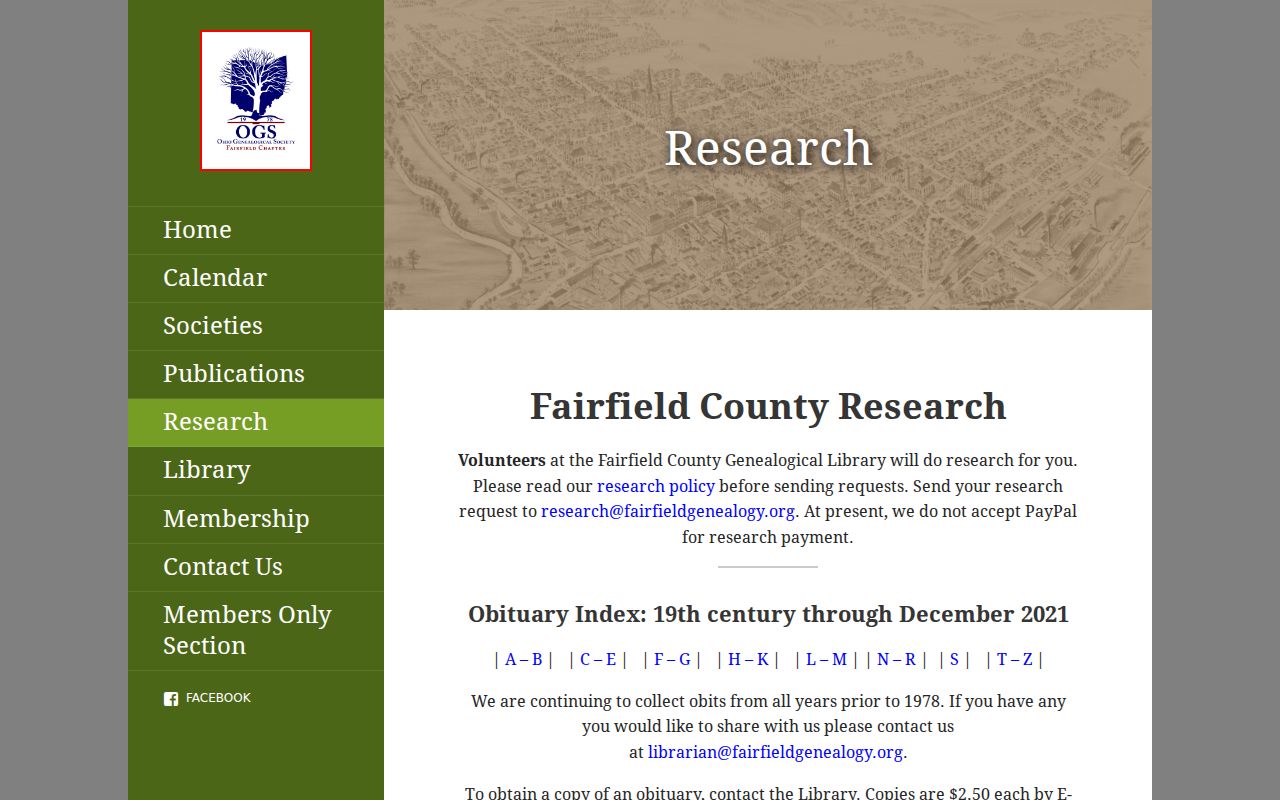
FCC-OGS identifies date-aware county resources for deeds, estates, wills, obituaries, newspapers, and vital material. Ask for the exact title, range, and access mode instead of assuming remote access or a complete name index.
Lancaster Directories Meet 1950 Census
Pair a verified directory date with the closest public census, not with an assumed decade. Public federal population schedules reach 1950 under the 72-year rule. A census gives a snapshot of a household, while directory addresses, collection formats, and enumeration detail vary by year. The address can help with ward or enumeration-district work when a name index returns several similar people.
Use a short, dated flow: directory entry or newspaper address, then census household, then prior and next available directory year, then parcel and Recorder comparison. If the household disappears, test the last appearance with an obituary, Probate record, cemetery lead, or a different address spelling. The conclusion should describe the dated evidence rather than make a claim about every year in between.
Lancaster Previous Residents on Sanborn
The Library of Congress December 1910 Lancaster Sanborn map has 31 sheets. It adds a block and structure layer to a past-residents search: streets, building footprints, and mapped use at that date. It does not identify a household, ownership, an exact build year, or an unbroken house history. Use it to frame a directory or deed result, then retain the map date and sheet with the record notes.
The City Photo Library is another visual context channel. It groups historic images by selected blocks, streets, and buildings and says its materials came from internet, library, and Heritage sources.
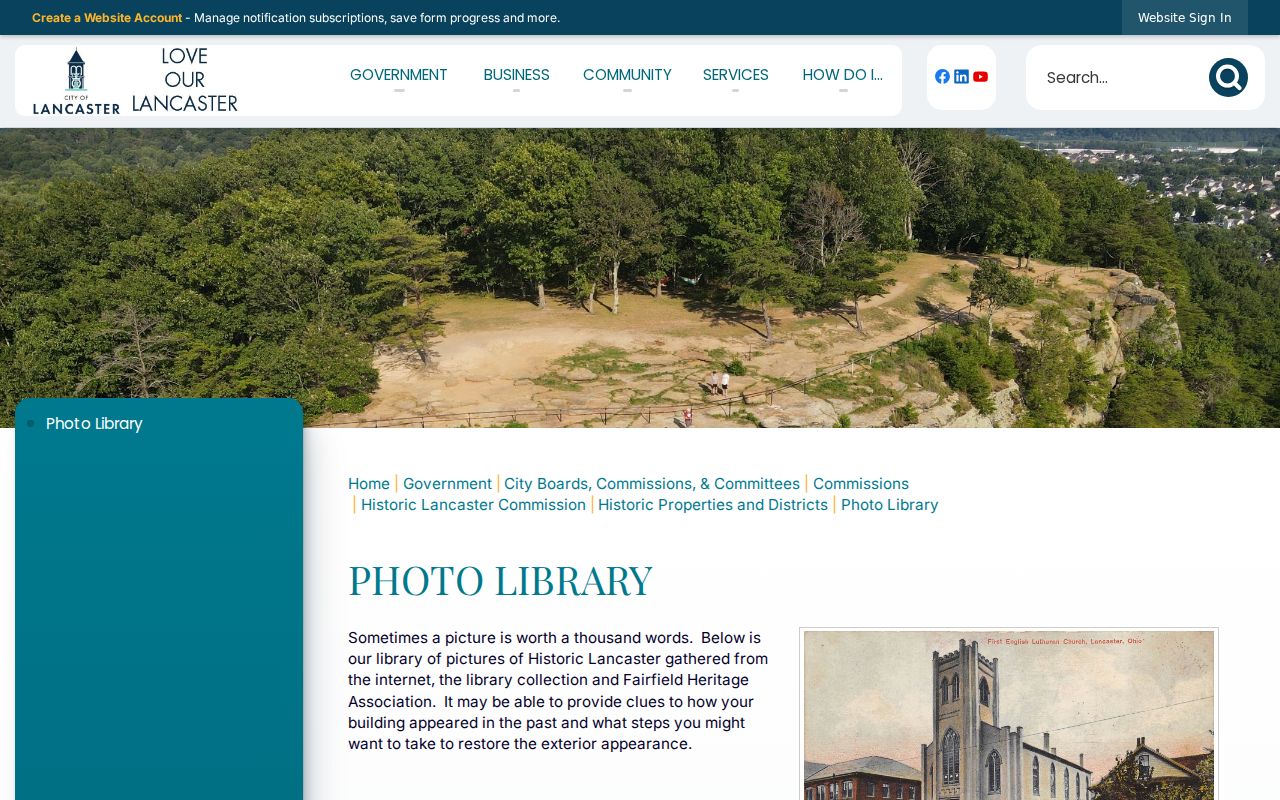
A photograph can support a question about a streetscape or exterior context, but it cannot by itself establish who occupied the property, who owned it, or when a change happened.
Lancaster Address Continuity Insider Tip
Keep the old and new address wording side by side in the research log. Official City historic material identifies Front Street as today's Memorial Drive. That is a useful localized continuity clue, not a license to assume a citywide renumbering rule. The Auditor's legal-description and parcel fields, Recorder instruments, plats, directories, maps, and dated City records can show whether two forms belong to the same place.
The manifest's Lancaster history source provides the local historical context for older record headings.
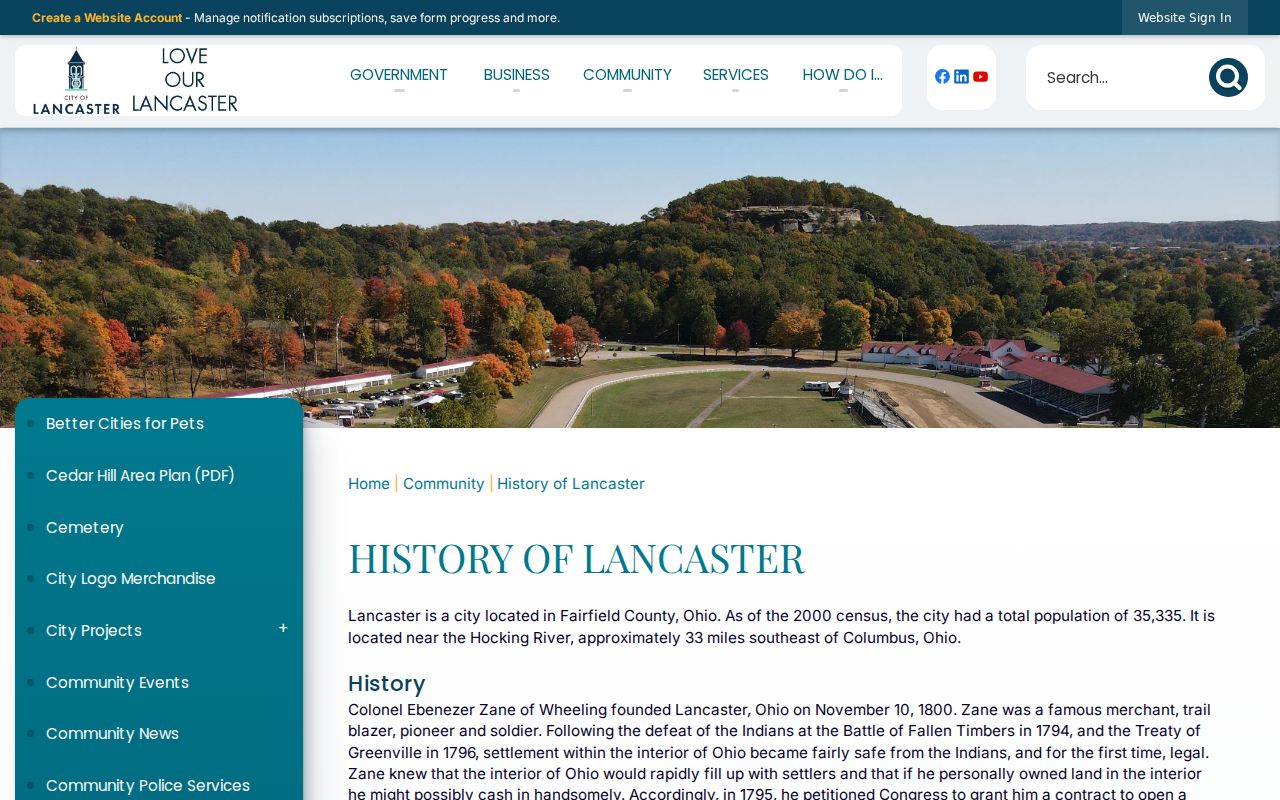
Early sources may also use New Lancaster, the name shortened by the legislature in 1805. Treat it as a catalogue and place-name search aid, not as identity proof for same-surname people.
Note: No full citywide renumbering crosswalk was verified, so date each address form and avoid joining old and current numbers without a source.
Lancaster Previous Residents: Probate Endpoints
When a dated address trail reaches an estate or death event, use the Fairfield Probate historic archive for its approximately 1803 to 1995 route. It searches by case number, type, or name and reports case number, type, indexed name, and selected PDF record. The current Probate system and the historic archive have separate coverage. An estate file can provide an heir or property-context lead, but it does not itself prove that an heir lived at the address.
The manifest captured the historic Probate archive for the Lancaster previous-residents endpoint.
Use the case number, type, date range, and indexed spelling to request a public record or to distinguish similarly named people.
The Ohio History Connection historic death index offers a separate historical death-event lead and requires first name, last name, year, plus one of month or day, county, or certificate number. The free index does not supply certificate images.
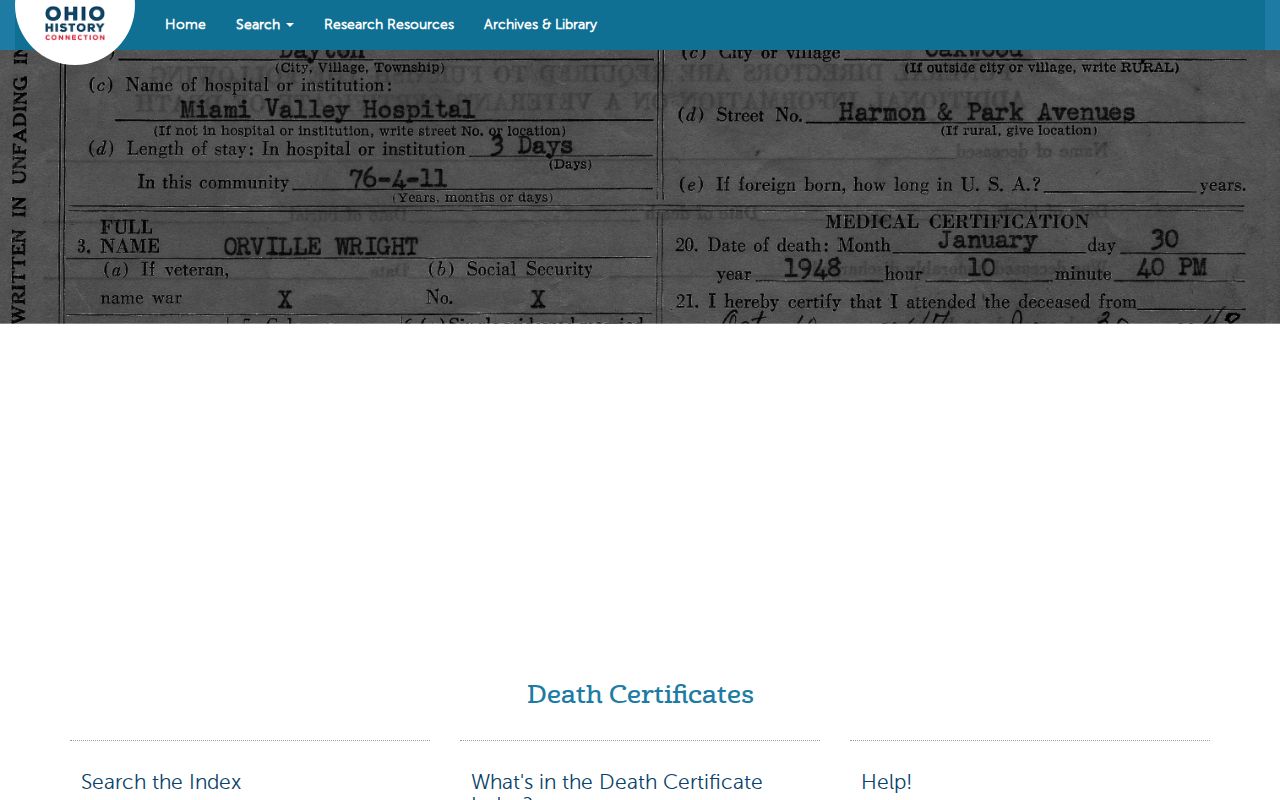
A death-index hit should be tested against the directory, census, Probate, cemetery, or official certificate route rather than treated as a complete former-resident record.